
There’s a moment in every high performer’s life when the body says something the mind refuses to admit.
Sometimes it shows up as fatigue. Sometimes as a headache. And sometimes — in ways people don’t talk about — it shows up in your eyes.
Those faint, shadow-like rings. That tired, heavy look you can’t hide. That quiet message that something inside you is slipping.
People call them “stress rings in the eyes.” It’s not a medical diagnosis. It’s not a doctor’s chart term. It’s a symbol — a sign — that your body is carrying more weight than your performance can sustain.
"Your body whispers before it screams; your eyes often speak before your mind admits."
Most people ignore it. High achievers especially.
Because high achievers are trained from childhood to push through. Push harder. Push further. Push past the limits.
But here’s the truth high performers don’t like to hear:
Before burnout hits your career, your confidence, or your performance… it hits your eyes.
Let’s talk about it.
1. The Body Whispers Before It Screams

People think burnout hits suddenly.
One day you’re fine. The next day you’re exhausted, overwhelmed, and ready to collapse.
That’s not how burnout works.
Burnout begins slowly. Quietly. Subtly.
It begins with the tiny moments you ignore:
The nights you stay awake “just to finish one more thing.”
The mornings you feel tired before the day even begins.
The days you feel emotionally numb but pretend everything is fine.
The tension in your face that you call “normal.”
The dryness in your eyes you think is “just screen time.”
Burnout speaks long before it breaks you — but most people don’t listen.
Especially performers.
Performers pride themselves on showing up. On being reliable. On being the strongest one in the room.
But strength is not the absence of stress. Strength is knowing when to pause before your body forces you to.
And the eyes are often the first place the truth shows up.
2. What “Stress Rings in the Eyes” Really Mean

Let’s make this simple.
“Stress rings in the eyes” is not a medical condition. It’s a phrase people use to describe:
Dark circles
Eye strain
Puffy, tired eyes
A shadowy ring shape under or around the eyes
A dullness in expression that wasn’t there before
It’s the look you get when:
You haven’t slept well.
You’re running on adrenaline.
Your cortisol is constantly high.
Your day feels heavier than your spirit.
You’re mentally present but emotionally exhausted.
These “rings” are not the problem. They are the signal.
A signal that your internal battery is running low. A signal that your performance is starting to slow. A signal that your mind is fighting harder than your body can support.
This is why this topic matters for high performers — salespeople, leaders, entrepreneurs, creators, and anyone living at a speed faster than their soul.
"Dark circles aren’t a flaw—they’re a signal that something inside you needs attention."
Your eyes show the burnout long before your results do.
And most people don’t catch it in time.
3. Why High Performers Ignore These Signs
Here’s something rarely said out loud:
High performers don’t burn out because they’re weak. High performers burn out because they are strong.
Strong enough to work long hours. Strong enough to push through the emotional dips. Strong enough to carry goals that scare most people. Strong enough to pretend everything is fine.
But that strength becomes the trap.
"High performance is admired until it starts costing your health—and then it’s ignored at your own risk."
High performers ignore stress signs because:
They don’t want to slow down.
They feel guilty resting.
They believe productivity equals worth.
They fear falling behind.
They are addicted to “being the reliable one.”
They are uncomfortable asking for help.
They think burnout won’t happen to them.
So they shrug off the stress rings. They hide the fatigue. They joke about being “fine” when they’re not.
Until one day, the performance they pride themselves on begins to slip.
That’s the real danger.
Burnout doesn’t hit your body first. It hits your performance, your clarity, your confidence, and your identity.
4. The Science: Why Stress Shows Up in the Eyes First
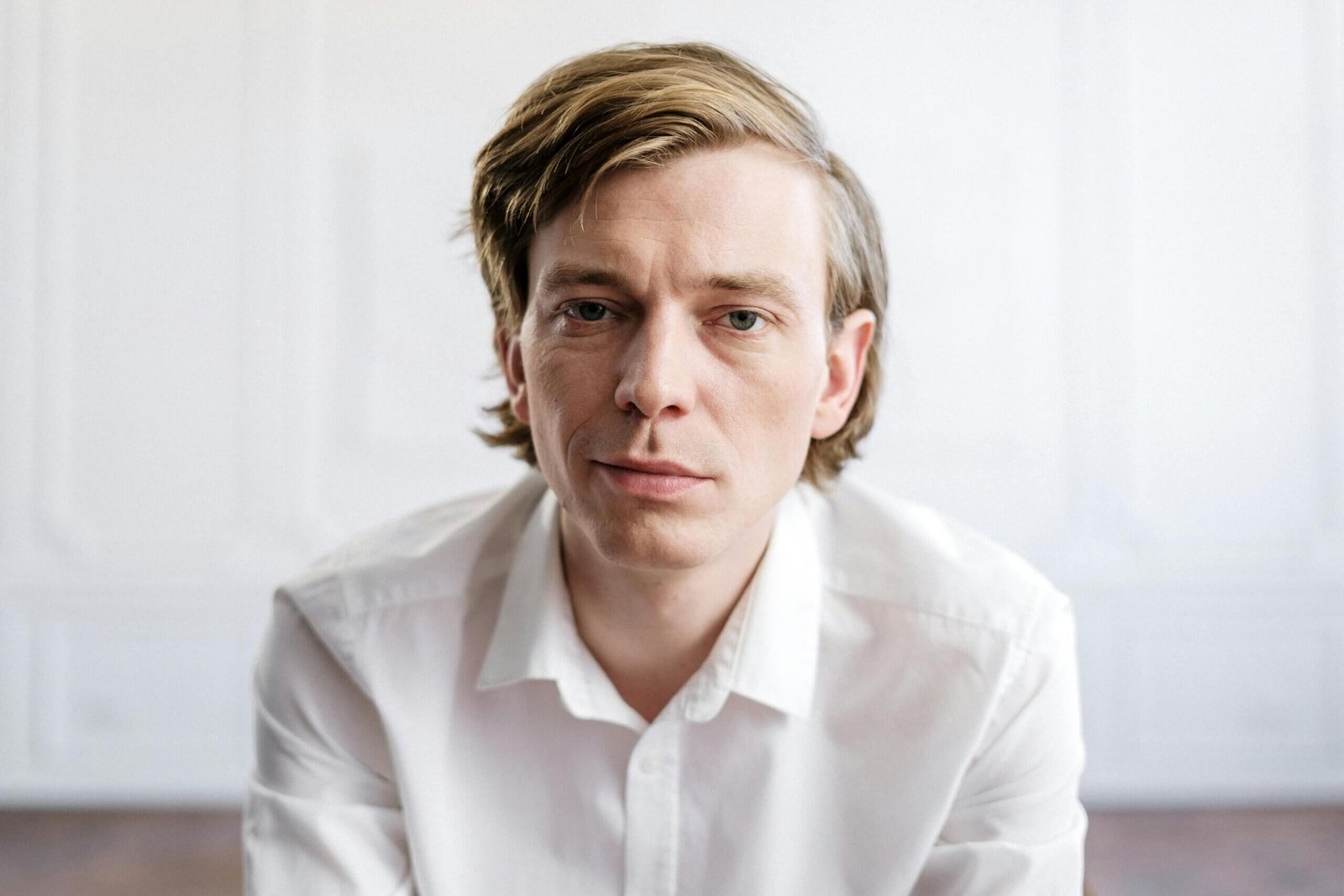
Let’s break this down simply — no complicated biology.
Reason 1: Stress disrupts sleep
When stress is high, your cortisol rises. High cortisol = poor sleep.
Poor sleep = dark circles, shadows, and tired eyes.
Reason 2: Long screen exposure strains the eyes
High performers live in front of screens. Screens lead to dryness, fatigue, and squint lines — which look like stress rings.
"Stress doesn’t hide—it shows in the small places, like the corners of your eyes."
Reason 3: Stress reduces blood flow
When your body is in “fight or flight” mode, blood moves to essential organs. The area under your eyes has thin skin. Reduced blood flow makes it look darker.
Reason 4: Chronic stress dulls your expression
Stress eats emotional energy. Your eyes lose brightness. Your face loses warmth. Your look becomes distant, unfocused, weary.
This is why people say:
“Your eyes look tired — are you okay?”
They’re not commenting on your appearance. They’re noticing the stress your body is trying to hide.
5. Hidden Signs You’re Burning Out (Beyond the Eyes)
Burnout doesn’t shout. It whispers.
Here are the signs most people ignore:
1. You wake up tired even after sleeping.
Your brain feels heavy before your feet hit the floor.
2. Your creativity feels blocked.
Ideas that once came naturally now feel forced.
3. You feel overwhelmed by simple tasks.
Small things feel big. Big things feel impossible.
4. You snap easily or withdraw emotionally.
Everything irritates you — or nothing interests you.
5. You feel disconnected from your purpose.
You’re doing the work, but you don’t feel the spark.
6. You start avoiding the hardest tasks.
Calls, emails, follow-ups — they feel draining instead of energizing.
7. You don’t feel like yourself.
You know something is off, but you keep pushing anyway.
These aren’t personality changes. These aren’t flaws. These aren’t weaknesses.
They are signals.
Signals that burnout is forming quietly backstage.
6. How Burnout Destroys Performance Without Warning

Everyone thinks burnout happens when you collapse. That’s not true.
Burnout hits your performance long before it hits your health.
Here’s how:
1. You lose consistency
Your “on” days feel amazing. Your “off” days feel impossible. Your results become unpredictable.
2. Your decision-making slows
You hesitate more. You overthink simple choices. You doubt your instincts.
3. Your work feels heavier
Tasks that once excited you now drain you.
"You can’t outwork exhaustion; it silently steals clarity, confidence, and momentum."
4. You start avoiding discomfort
You avoid calls. You avoid risks. You avoid hard conversations. (Not because you’re scared — because you’re tired.)
5. Your self-belief drops
You begin questioning your talent. Your confidence becomes fragile. You stop trusting yourself.
6. Your presence changes
People notice when you’re not fully there spiritually.
This is why catching burnout early matters.
You don’t lose your performance because you’re not capable. You lose it because you’re not recharged.
No machine runs at full power without recovery — including you.
7. How to Reverse Stress Before It Becomes Burnout

You don’t fix burnout with a vacation or a motivational quote.
You fix it with small, consistent adjustments that reclaim your energy.
Here’s how:
1. The 3-Minute Reset
Three minutes. Eyes closed. Deep breathing. No phone. No thinking. Just reset.
High performers think “three minutes won’t help.” But three minutes done daily is stronger than one hour done once a month.
2. Protect Your Mental Bandwidth
You don’t need to respond to every notification. You don’t need to jump into every chat. You don’t need to check messages the minute they arrive.
Every “quick check” steals energy. Protect your bandwidth like your life depends on it — because your performance does.
3. Micro-Recoveries Throughout the Day
Instead of working non-stop for hours, insert:
30-second stretch
10-long breaths
A sip of water
A short walk
These tiny recoveries prevent long-term burnout.
4. Reduce Emotional Noise
Let go of:
Overthinking
Perfectionism
Trying to impress everyone
Saying yes to everything
Performance improves instantly when your mental load decreases.
5. Reconnect With Your Why
Burnout often comes from forgetting why you started.
Ask yourself:
What do I want?
Who am I doing this for?
What does success look like for me?
Who is the version of me I’m trying to become?
Purpose recharges energy faster than sleep.
6. Celebrate Wins (Even Small Ones)
High performers move so fast they don’t notice their progress.
Celebration resets your nervous system and reminds your brain: “I’m winning. I’m capable. I’m progressing.”
7. Allow Yourself to Pause
Not quit. Not pull back. Just pause.
Pausing doesn’t slow you down. Pausing prevents collapse.
There is power in rest. There is clarity in stillness. There is strength in slowing down — intentionally.
8. The High Performer’s Truth Most People Don’t Want to Accept
You are not a machine. You are not a robot. You are not designed to live in nonstop go-mode.
You are a human being with limits — and that’s not a weakness.
Limits create structure. Limits create discipline. Limits create clarity.
"Sustainable success isn’t about how fast you move; it’s about how long you can move without burning out."
The most successful people in the world are not the ones who never tire. They are the ones who understand when to pause, recharge, and rise again stronger.
Because performance is not about burning yourself to the edge. Performance is about staying sharp enough to win over and over again.
And the body — especially the eyes — will always tell you the truth before your mind does.
9. Conclusion: Your Eyes Don’t Lie

Your eyes are not just windows to your soul. They are windows to your stress, your capacity, and your burnout level.
When the rings show up… When the spark dims… When the weight becomes visible…
It’s your body saying:
"Your eyes don’t lie—they show the truth your mind refuses to admit. Listen to them."
“Slow down. Recalibrate. Protect yourself.”
Not to hold you back. But to allow you to rise higher than before.
The greatest performers in the world do not fear slowing down. They fear losing themselves.
So listen to the whispers. Respect the signals. Honor the limits. And protect the machine that carries your dreams.
